The Design Collective launches, as featured in Belle Magazine
Porcelain interior design is at the centre of The Design Collective by Kaolin, a new Australian design initiative featured by Belle Magazine on Homes To Love. The feature highlights how porcelain can help create interiors with stronger colour, texture, pattern and material consistency.
For homeowners, architects and interior designers, this matters because porcelain is no longer only a practical surface. Instead, it can play a much larger role in shaping atmosphere, continuity and performance.
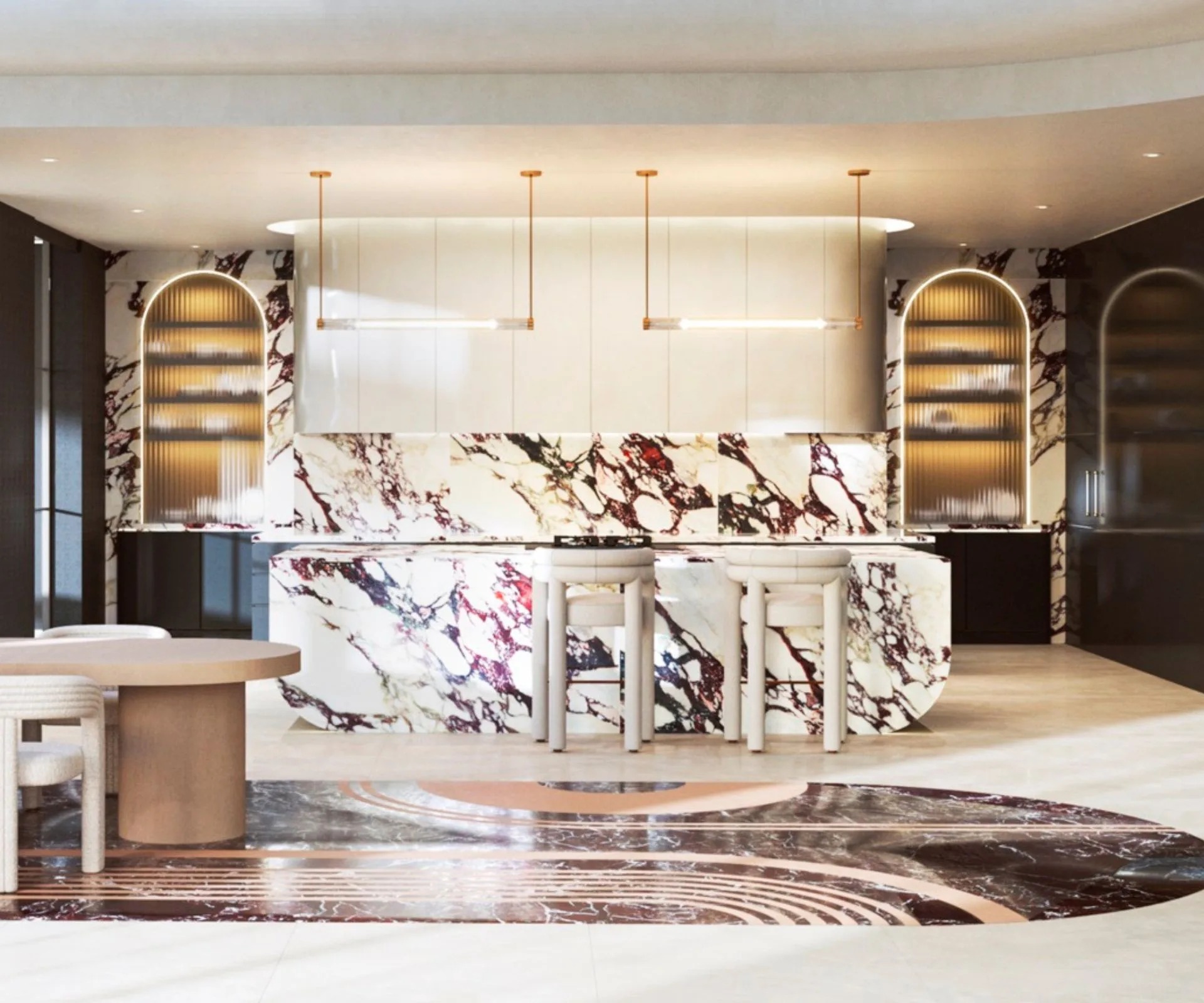
As part of The Design Collective, our lead architect Sam Alawie curated virtual rooms to show how porcelain can support cohesive, highly resolved interior spaces.
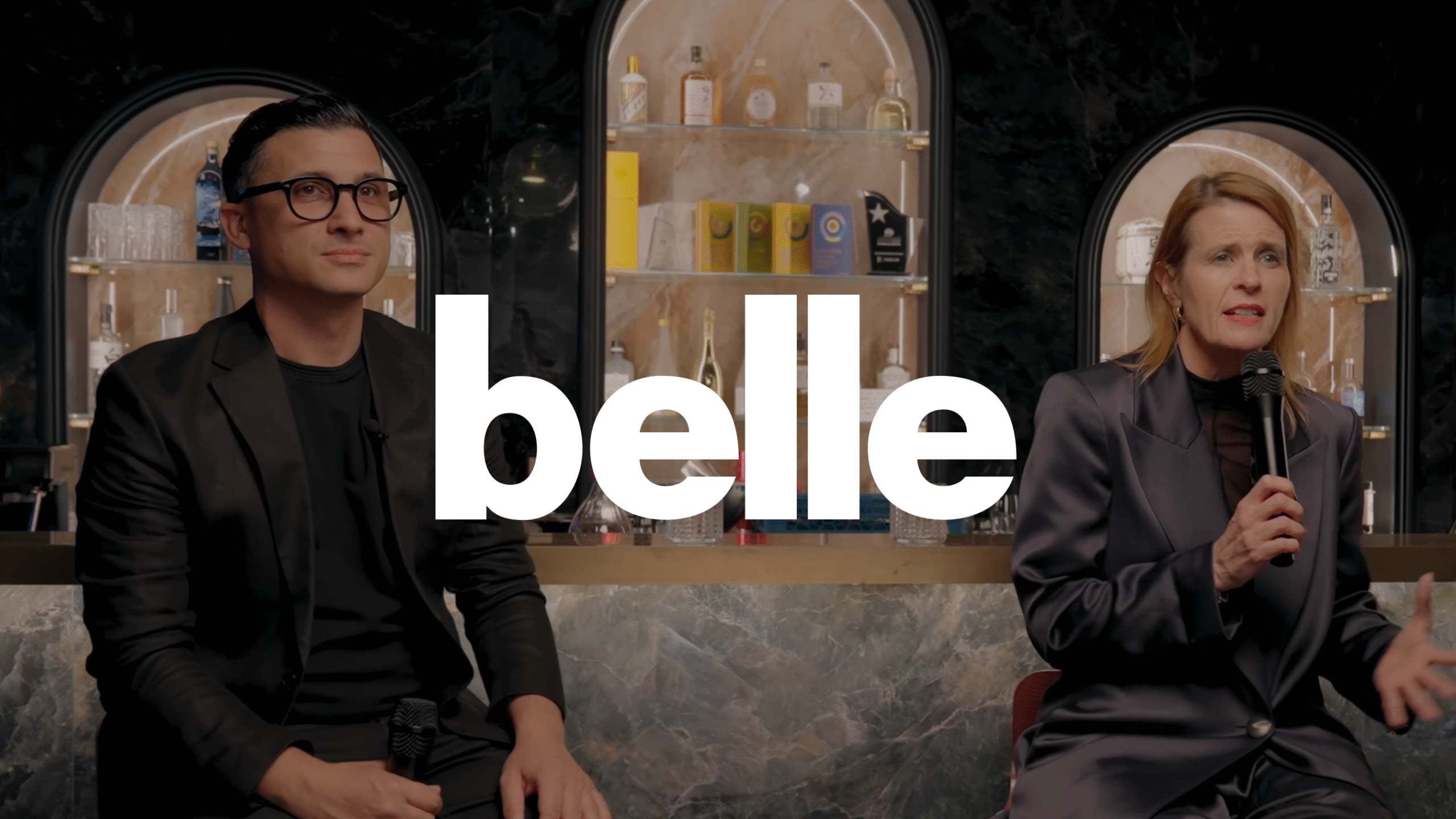
You can read the full Belle feature on Homes To Love here: The Design Collective launches, empowering designers to create harmonious spaces using porcelain.
The Design Collective brings together Kaolin, Taubmans and Blend Concrete Design, with interior styling support from Daniela Tippett of Casabela Interiors.
Together, the collaboration makes it easier for designers to coordinate porcelain surfaces with paint colours, concrete pieces and broader interior palettes.
For residential interiors, that consistency matters. Material selections often happen across multiple trades, finishes and suppliers. As a result, a curated palette can reduce mismatched undertones and give the final space a stronger sense of cohesion.
Porcelain has become increasingly important in contemporary interior design because it offers both visual refinement and practical performance.
It can reference natural stone, concrete, timber or fabric while also offering durability, heat resistance and low maintenance. Therefore, it can work across kitchens, bathrooms, living areas, joinery, wet areas and feature surfaces.
Within The Design Collective, five Kaolin porcelain designs formed the base of the palette: Calacatta Viola, Calacatta Nuvola, Pink Patagonia, Rosso Travertine and Venato Bianco.
Each surface brings a different tone and texture, from bold veining and soft quartzite references to terracotta warmth and Venetian-inspired concrete finishes.
Together, they show how porcelain interior design can create layered spaces without losing visual clarity.
Sam’s virtual room concepts explored how a controlled material palette can shape the feeling of a space.
Rather than treating porcelain as a single surface finish, the rooms used it as part of a broader design language. In this way, colour, texture, scale and atmosphere all worked together.
This approach is especially relevant to residential interiors. After all, kitchens, bathrooms and living spaces need to feel connected without becoming repetitive.
When the palette is carefully resolved, a home can feel calm, consistent and complete from one room to the next.
For Zane Carter Architects, the Belle feature recognises the role material thinking plays in architecture and interior design.
A well-resolved interior is not only about selecting beautiful finishes. It also depends on how materials perform, how they age and how they shape the daily experience of a home.
Ultimately, The Design Collective reflects a broader shift toward interiors that are practical, durable and highly considered. At the same time, it allows room for colour, texture and individual expression.
For homeowners planning a renovation or new home, porcelain interior design can offer a strong balance of beauty, durability and consistency.
You can explore more of our interior design work or view our broader residential architecture portfolio.
For more on how design decisions can support long-term property value, read our article on Architecture ROI, or book a project review to discuss your next home or interior project.