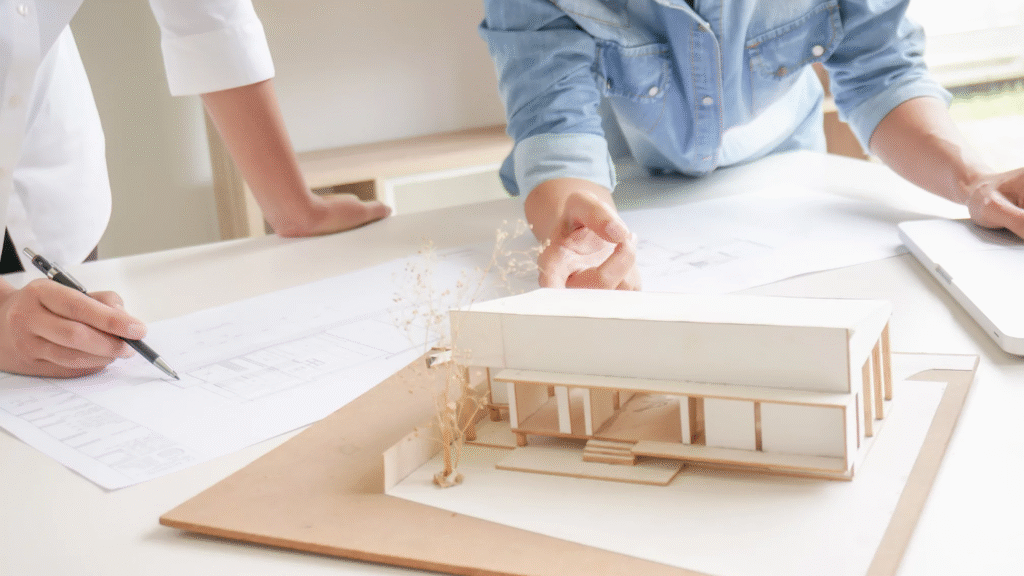
Designing for ROI: How smart architecture creates homes that sell themselves
Architecture ROI is about more than resale value. It is about how design choices improve liveability, market appeal, construction efficiency and long-term performance. Great architecture does more than shape spaces. It shapes outcomes.
Every design choice influences value. Light, layout, storage, material selection, orientation and flow all affect how a home feels and how buyers understand it.
In a competitive property environment, the smartest architecture combines creativity with commercial intelligence. For homeowners and developers, design becomes part of the return on investment, not an expense that sits outside it.
You can also read Domain’s article on why good design can increase the value of a home here: Why experts say good design will always increase the value of a home.
Design quality is one of the most underestimated value drivers in Australian real estate. Buyers respond to how a home feels. They notice the quality of light, the ease of movement, the relationship between rooms and the way spaces support daily life.
Good design can make better use of space, reduce running costs and support adaptability over time. As a result, architecture can improve both the experience of living in a home and the way the market perceives it.
When a home feels intuitive, generous and well resolved, buyers understand its value faster. That emotional connection can influence enquiry, inspection response and confidence at the point of sale.
Traditional architecture often begins with form. At Zane Carter Architects, we start with intelligence: market data, buyer behaviour, planning constraints and development feasibility.
We think of this as market-led design. It connects design vision with a clear understanding of what buyers value, what a site can support and where design investment will have the greatest impact.
By integrating development insight early, we help clients avoid overcapitalisation. We also help ensure the design is not only memorable, but commercially grounded.
Whether it is a boutique residential build, duplex or multi-residential development, the goal is to create architecture that is both desirable and viable.
1. Function before flourish
Spaces that flow efficiently feel larger, calmer and more luxurious, even within modest footprints. Good planning can increase perceived value without adding unnecessary area or cost.
2. Natural light is a value driver
Buyers notice orientation, glazing and daylight. Strategic window placement, open-plan layouts and well-considered voids can make a home feel more generous and refined.
3. Materials should balance impact and cost
A considered material palette can elevate a home’s perception while protecting the budget. The right materials do not need to be excessive. Instead, they need to feel intentional, durable and appropriate to the market.
4. Flexibility matters
Multi-purpose rooms, adaptable layouts and spaces that can change over time increase a property’s long-term relevance. This matters as buyers look for homes that can support work, family life, entertaining and retreat.
In one recent project, Zane Carter Architects reimagined a coastal residence where buyer appeal needed to be sharpened. First, we aligned the brief with what the local market valued most.
The home prioritised the features buyers respond to: a functional kitchen with strong storage, a private primary suite, secure parking and a clear indoor-outdoor connection. Just as importantly, we avoided additions that would increase cost without improving buyer response.
Knowing what to include and what to omit is essential. Therefore, the plan was refined to prioritise generous room sizes where they mattered, improve circulation and bring in more natural light.
The result was a home that helped buyers imagine themselves living there without unnecessary spend.
The project achieved a record local sale within two weeks of listing. This showed how intelligent feature selection and strong planning choices can improve performance while protecting margin.
You can read more about this result in our article on the Brighton-Le-Sands duplex record sale.
The Australian housing market is shifting toward more informed buyers. People are looking closely at orientation, storage, layout, natural light, flexibility, energy use and long-term liveability.
For homeowners, this means design decisions made early can influence how a home feels, functions and performs over time.
For developers, it means architecture needs to support feasibility, construction logic, market appeal and resale confidence from the beginning.
This is where smart architecture creates value. It connects the emotional experience of a home with the practical realities of cost, delivery and market response.
A home that sells well rarely succeeds because of one feature alone. Instead, it comes from many decisions working together: light, planning, material restraint, room proportion, storage, arrival sequence, outdoor connection and daily function.
For us, architecture ROI is not about designing for resale at the expense of liveability. It is about creating homes that feel better to live in and make stronger sense in the market.
For a broader look at how design strategy supports development outcomes, read From Concept to Contract, explore our residential architecture portfolio, or book a design consultation to explore how early design thinking can shape feasibility, value and long-term performance.