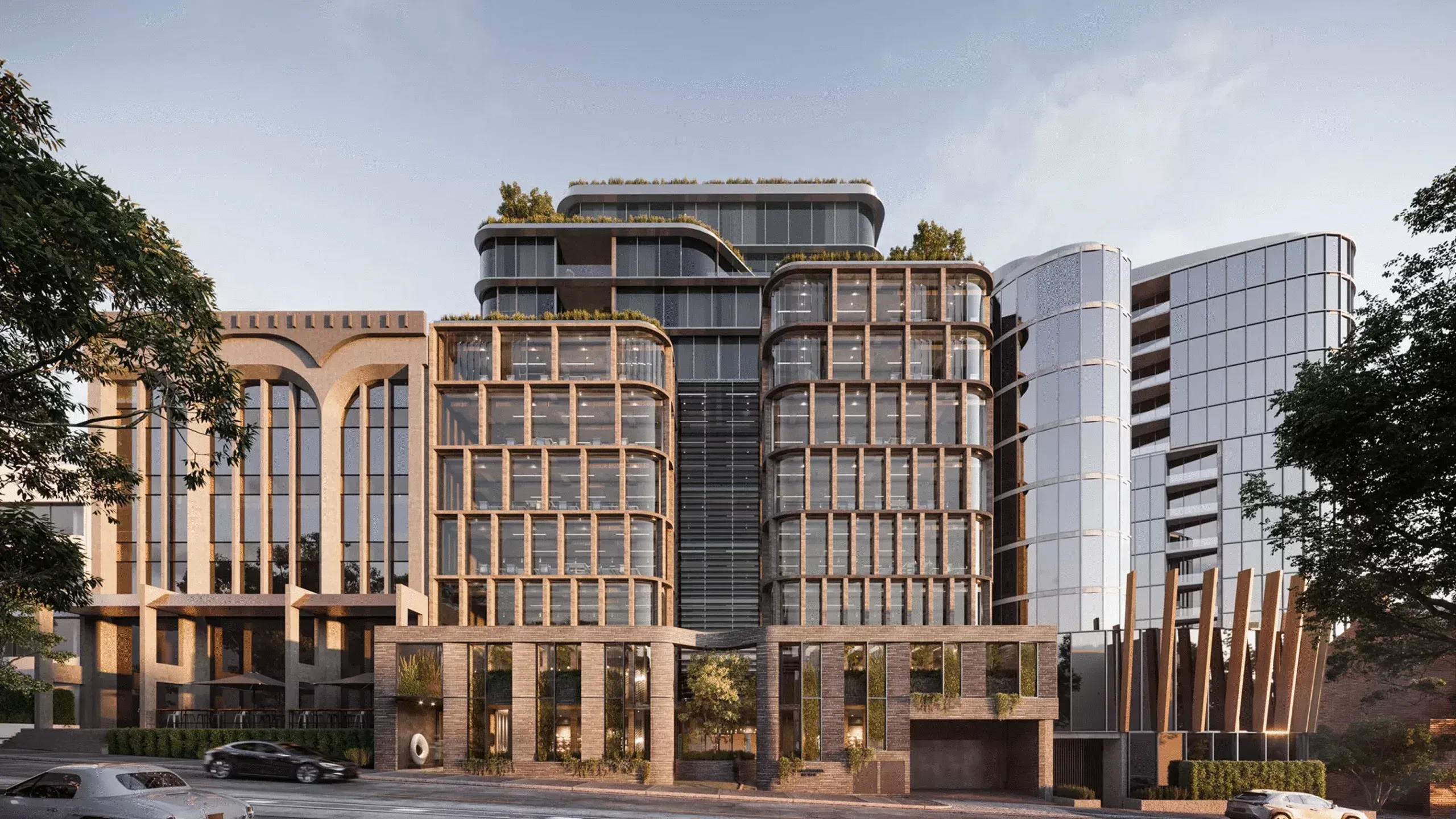
Top 5 Property Development Architects in Australia Turning Vision into Value
Top 5 Property Development Architects in Australia Turning Vision into Value
Architects play an important role in turning early project ideas into feasible, market-ready developments. The strongest firms understand design quality, planning risk, buyer appeal, buildability and long-term project value from the beginning.
The most successful property developments are not born from spreadsheets alone. Instead, they start with design decisions that understand market expectations, site constraints, approval pathways and commercial performance.
Across Australia, a select group of firms are bridging the gap between architecture and development strategy. As a result, these property development architects are shaping residential and mixed-use projects that are not only well designed, but commercially considered from the beginning.
Property development architects Australia: five firms shaping value
This list highlights Australian architecture firms with strong development experience, residential design credentials and a clear understanding of how design can support project outcomes.
It is not a ranking of every development architect in Australia. Instead, it is a curated overview of practices that show different strengths across boutique residential, multi-residential, mixed-use, medium-density and community-focused development.
1. Zane Carter Architects
Architecture guided by purpose, intelligence and humanity
Zane Carter Architects brings together design thinking, planning awareness and development strategy. The practice works with clients to create projects that feel visually refined, commercially grounded and shaped around how people live.
In addition, our studio considers feasibility, planning clarity, buyer expectations and long-term value early in the process. Therefore, design decisions can support both the experience of the final building and the commercial logic behind the project.
Zane Carter Architects’ development edge:
- Early integration of design and feasibility.
- Balanced focus on yield, buildability and buyer demand.
- Planning clarity that reduces risk and increases confidence.
For developers planning a boutique residential or mixed-use project, our development portfolio shows how considered design can support both market appeal and long-term project value.
2. Rothelowman
Design-led development with commercial clarity
Rothelowman is an Australian architecture practice known for residential, multi-residential, build-to-rent, commercial and mixed-use projects.
The studio’s work responds to client needs, site potential and the surrounding natural and urban environment. As a result, Rothelowman is often relevant to developers who need architecture that balances design quality with project performance.
Why they stand out:
- Strong experience across multi-residential and mixed-use development.
- Clear understanding of urban context, density and project delivery.
- Design thinking that supports both user experience and commercial outcomes.
3. Elenberg Fraser
Expressive architecture for market-facing projects
Elenberg Fraser is an integrated design and architecture practice operating across the Asia-Pacific region. The studio works across multi-residential, hospitality, tourism, interiors, commercial and master-planning projects.
Their work often combines strong visual identity with market awareness. Therefore, the practice can be especially relevant to developers seeking projects with a memorable design language and strong sales appeal.
Why they stand out:
- Distinctive architectural identity across high-rise and mid-rise projects.
- Experience in multi-residential, mixed-use and hospitality-led development.
- Design approach that considers investors, end users and broader project positioning.
4. Cera Stribley
Design in dialogue with market and place
Cera Stribley is an architecture and interior design practice with studios in Melbourne and Brisbane. The studio works across residential, public, commercial, master-planning and adaptive-use heritage projects.
For development projects, this range matters because strong outcomes often depend on design quality, planning awareness and a clear response to place. In addition, Cera Stribley’s work shows an emphasis on enduring spaces, collaboration and contextual design.
Why they stand out:
- Pragmatic design that can support feasibility and approvals.
- Emphasis on liveability, material quality and context.
- Experience across residential, mixed-use and developer-led projects.
5. Hayball
Community-focused design with development rigour
Hayball is an award-winning Australasian practice focused on cities, communities and places people love.
The practice works across architecture, interior design and urban planning. As a result, Hayball is well placed for medium-density, multi-residential and community-focused developments where liveability, sustainability and stakeholder needs all matter.
Why they stand out:
- Experience across residential, education, commercial and urban design contexts.
- Strong focus on liveability, community and long-term social value.
- Ability to balance design ambition with complex project requirements.