NSW backs more housing in Woollahra with new station plan and rezonings
Woollahra Station rezoning plans could reshape parts of Woollahra and Edgecliff, with the NSW Government proposing a new heavy rail station and state-led planning changes to support up to 10,000 new homes.
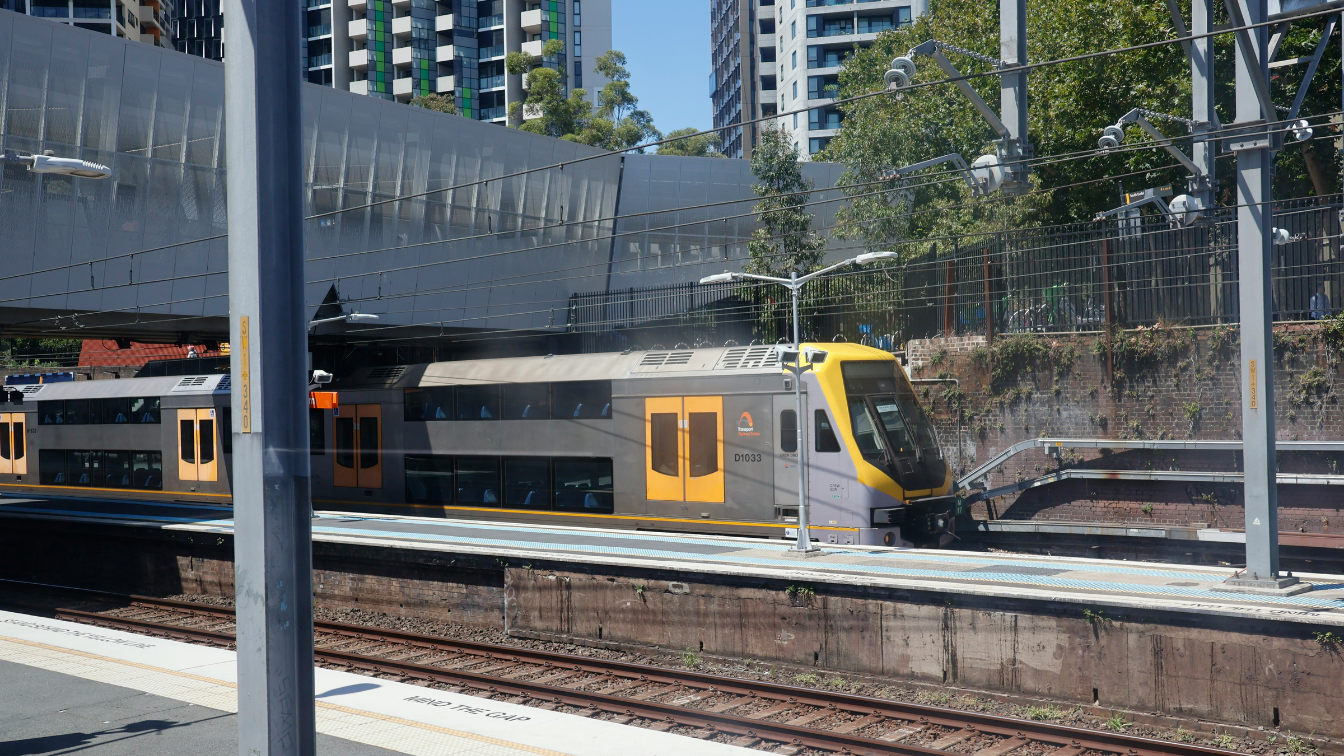
The NSW Government has confirmed plans to complete the long-planned Woollahra heavy rail station and rezone land around Woollahra and Edgecliff stations. As a result, future growth is likely to focus on walkable station catchments in Sydney’s eastern suburbs.
The announcement forms part of a broader state strategy to increase housing supply around existing and planned transport infrastructure. For Woollahra and Edgecliff, detailed planning controls will follow through the rezoning process.
For residents, landowners and applicants, the key point is that this is not just a transport announcement. Instead, it signals a significant shift in how the state may approach housing density, site feasibility and development potential in one of Sydney’s most established eastern suburbs.
You can review the official NSW Planning Portal page for the Edgecliff Woollahra Precinct and the Transport for NSW page for the Woollahra Station Activation.
Where the homes would go: Growth is expected to focus around Woollahra and Edgecliff stations, aligning with the state’s transport-oriented development principles.
The NSW Planning Portal describes an approximate 400 metre radius from Edgecliff Station and an 800 metre radius from the new Woollahra Station. However, precinct boundaries, height controls and detailed planning rules still need to move through the state-led rezoning process.
How many homes: Government materials have referenced capacity for up to 10,000 new dwellings across the station precincts. However, actual outcomes will depend on final heights, floor space ratios, site amalgamations, heritage interfaces, infrastructure capacity and feasibility.
Timing: The state has signalled an intention to move quickly, with rezoning to follow the station completion decision. Nevertheless, exact dates for exhibition, finalisation and construction will depend on the planning process.
Woollahra Council has raised concerns about the state’s Low and Mid-Rise Housing Policy and the cumulative impact of additional density on local infrastructure, neighbourhood character, overshadowing, tree canopy, flooding and heritage.
These concerns matter because Woollahra and Edgecliff contain a mix of established residential streets, heritage items, apartment buildings, commercial centres and constrained infrastructure. Therefore, any future uplift will need to respond to the character and capacity of each location.
Community commentary has also pointed to pressure around Edgecliff and nearby centres, including water and sewer upgrades, traffic movement and school places. As a result, these issues are likely to form part of the state’s rezoning and infrastructure planning process.
1. Track the rezoning
Watch for the public exhibition of the Woollahra and Edgecliff station precinct rezonings. Exhibition periods are the best time to comment on proposed building heights, setbacks, heritage transitions, public domain outcomes and infrastructure needs.
2. Check current controls before lodging
Until new controls commence, applications are assessed under the current Woollahra LEP and relevant development control plans. Therefore, applicants should confirm the in-force planning controls at design freeze and again before lodgement.
3. Stress test sites near stations
Owners and developers within walking distance of the station precincts should test potential uplift carefully. For example, feasibility considerations may include height, floor space ratio, lot size, frontage, amalgamation potential, overshadowing, view impacts, heritage constraints and market demand.
4. Coordinate early on infrastructure
Expect a stronger focus on stormwater, water and sewer servicing, traffic, pedestrian access, cycling links and sustainability. In addition, early advice from civil, traffic and ESD consultants can help reduce redesigns and requests for information later in the process.
Woollahra has long balanced established residential character, heritage value and proximity to key transport corridors. However, the proposed station and rezonings could change how some sites are assessed, particularly those close to Woollahra and Edgecliff stations.
For homeowners, this may affect renovation, redevelopment and long-term property decisions. For developers, it may create new opportunities, but only where planning, infrastructure and design quality are carefully resolved.
As a Woollahra-based architecture studio, we will be watching the rezoning process closely. For anyone considering a site in Woollahra, Edgecliff or the surrounding eastern suburbs, the key is to understand both the current controls and the direction of future change.
Early feasibility work can help clarify what is possible before a site is purchased, designed or lodged for approval. You can also explore our residential architecture portfolio to see how we approach site-responsive design.
For more on early planning strategy, read The Architect’s Edge in Property Development, or start your development project with ZCA.