Councils Under State Performance Oversight in NSW: Who Is Affected and What It Means for Your DA
NSW introduced a Statement of Expectations Order that benchmarks councils on DA timeframes and planning performance. The state now publishes a Council League Table and can intervene where results do not improve. If performance stays below expectations, the government can appoint experts, issue Performance Improvement Orders, or reassign planning powers.
Councils under oversight right now
Following persistent delays, NSW has appointed independent expert planners to some councils and an expert engineer to another to unclog DA bottlenecks. As reported in mid-2025:
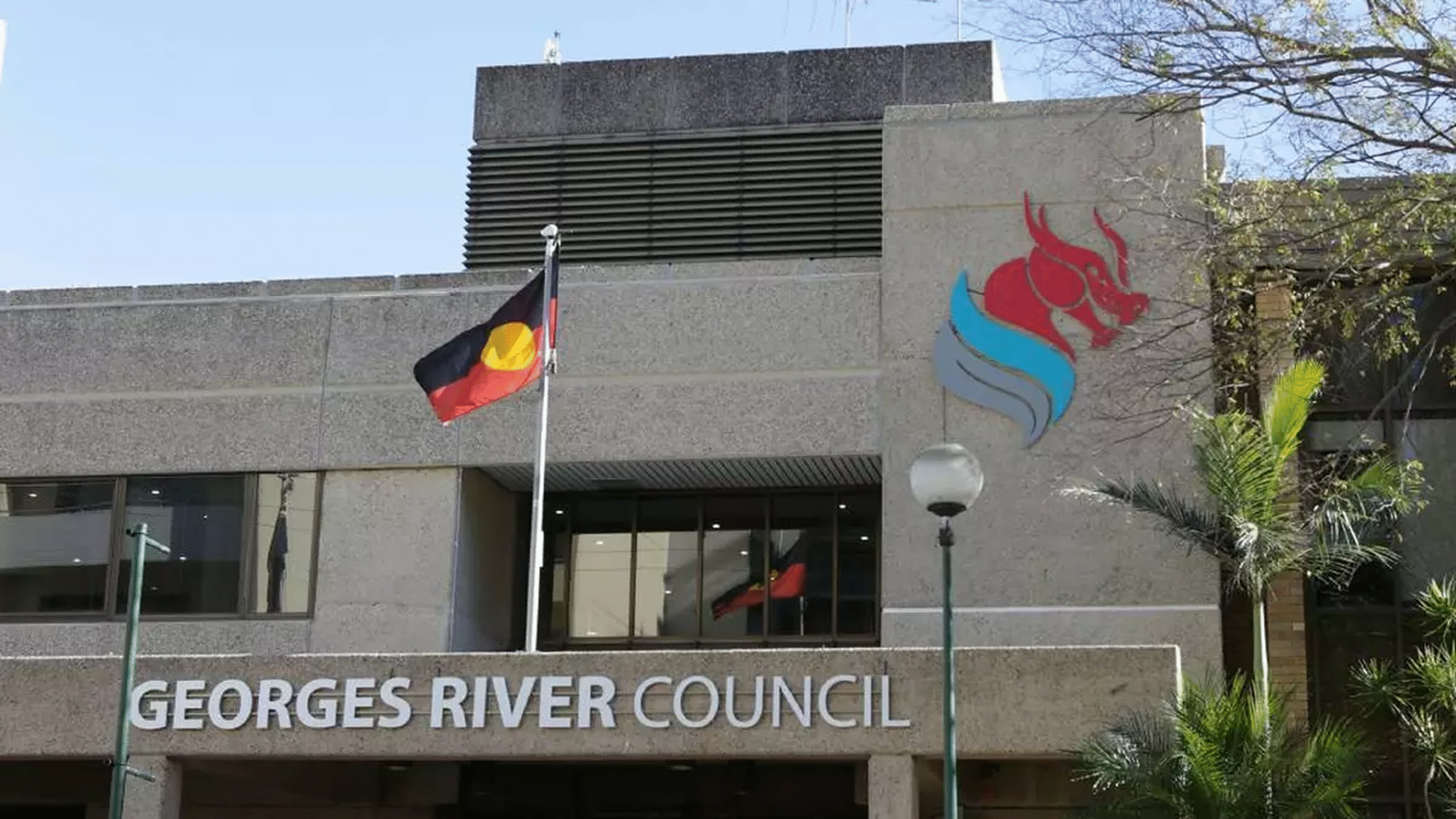
‧ Georges River Council — independent expert planner appointed.
‧ Wingecarribee Shire Council — independent expert planner appointed.
‧ Willoughby City Council — independent expert planner appointed.
‧ Sutherland Shire Council — expert engineer appointed to improve processing.
Earlier in 2025 the government also put six councils on notice to submit action plans: Georges River, Sutherland, Willoughby, North Sydney, Wingecarribee, Queanbeyan-Palerang. North Sydney and Queanbeyan-Palerang subsequently improved enough to avoid further action at that time.
Separate coverage has highlighted the depth of delays at some councils, for example Wingecarribee recording the longest average DA times in the state earlier this year.
Tip: For the most current status of interventions and any new orders, check the NSW Office of Local Government page for Current Council Interventions and the Planning NSW Council League Table before lodging.
What state oversight means for applicants
‧ Closer case management – Expect tighter triage, clearer pre-lodgement advice, and more scrutiny of incomplete submissions. Oversight aims to shorten queues by improving process discipline.
‧ Fewer surprises if you prepare well – High quality drawings, clause-level compliance notes, and early engineering and landscape inputs reduce requests for information and rework.
‧ Potential pathway choice – Some proposals may be better handled through the Sydney district or regional planning panels where referral timeframes are also being monitored. Check whether your proposal triggers panel referral.
‧ Funding carrots and sticks – The state is linking performance to eligibility for certain grants. Poor performance can mean missing out on funding that supports local infrastructure tied to housing delivery.
How to protect your timeline if you are in one of these LGAs
1. Pre-lodgement checklist – Align to the Statement of Expectations benchmarks. Provide a clean assessment report, code compliance table, overshadowing and overlooking diagrams, stormwater strategy, and a landscape plan with canopy trees where required.
2. Use the data – Check your council’s current metrics on the Council League Table and plan contingencies if you see extended averages for your application type.
3. Consider alternate pathways – For eligible projects, explore panel referral, staged approvals, or modified scopes that fit fast-track assessment settings.
4. Front-load specialists – Submit structural, civil, traffic, and ESD inputs at lodgement to limit RFI cycles. Oversight periods reward complete applications.
5. Escalation etiquette – If milestones slip, reference the Statement of Expectations in correspondence and request a case review. Remain factual and solutions-focused.
NSW is actively intervening where DA performance lags. As of late 2025, Georges River, Wingecarribee, Willoughby and Sutherland are subject to state-appointed experts, with other councils having been put on notice earlier in the year. Applicants can still keep programs on track by preparing code-tight submissions, checking live performance data, and choosing the right pathway for their project.